
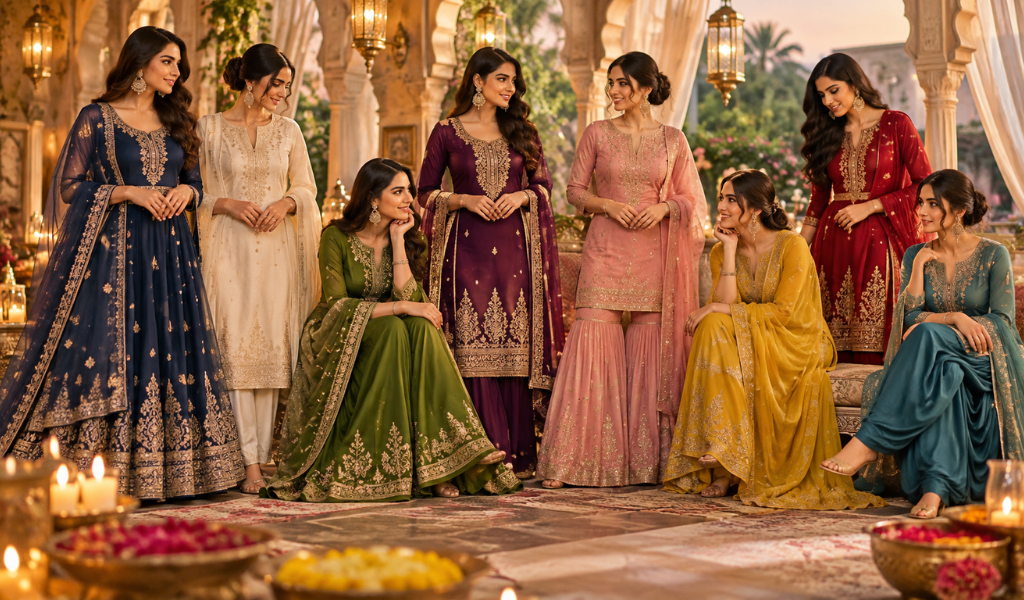
Festive season shopping in India always comes down to one question, sarees or suits? Honestly, most of us end up needing both. But if you had to build a festive wardrobe around suits alone, there are certain styles that earn their place in your almirah year after year. Some are made for dancing through Navratri nights, some for sitting comfortably through a three-hour puja, and some for that one wedding function where you want to look like you tried, but not too hard.
Here’s a detailed, practical guide to the eight suit styles worth owning this season, when to wear each one, how to style them, and how to make sure they don’t just sit folded in your cupboard till next Diwali.
Why Suit Styles Matter for Your Festive Wardrobe
A suit is one of the most forgiving festive outfits out there. Unlike a saree, you don’t have to worry about pleats coming undone while you’re running around setting up the puja thali or dancing at a sangeet. A well-chosen suit gives you movement, comfort, and still manages to look festive enough for photographs and family gatherings alike.
But here’s the thing, not every suit style suits every occasion (pun fully intended). A heavily embroidered Anarkali that looks stunning at a wedding reception will feel like overkill for a Karwa Chauth morning at home. Similarly, a simple straight-cut suit that’s perfect for an office Diwali celebration might feel too plain for a sangeet night out with friends.
That’s why it helps to think in terms of a small collection rather than five variations of the same cut. A well-rounded festive wardrobe usually covers:
- One statement piece for weddings or big celebrations
- One comfortable, everyday-festive option for pujas and family functions
- One versatile piece that can be dressed up or down depending on the accessories
- One fabric-led choice suited to the weather your festivals actually fall in
Between Navratri, Karwa Chauth, Diwali, Bhai Dooj, and the wedding season that follows, your calendar is packed enough without having to worry about what to wear each time. Having these eight styles on rotation solves that problem for good.
8 Suit Styles Every Woman Should Have This Season
-
Anarkali Suits
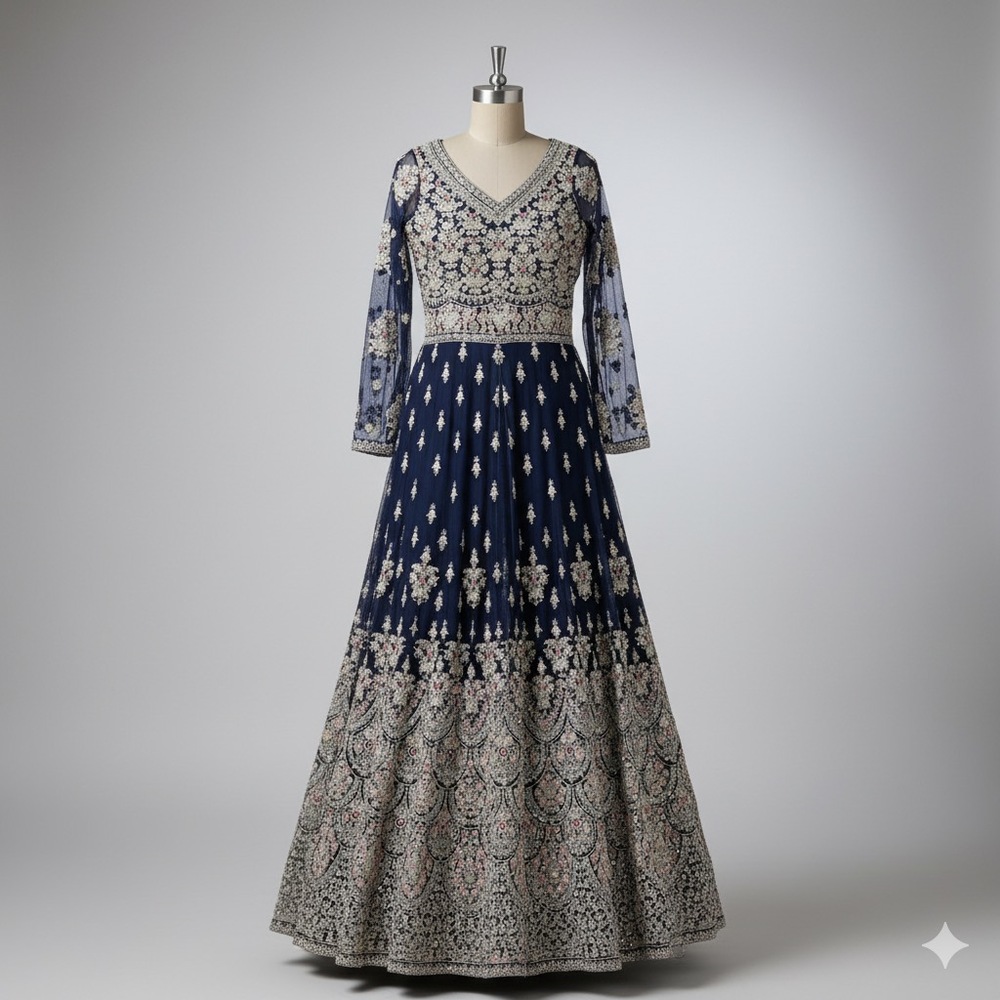
The Anarkali is the one style that never really goes out of fashion, and there’s a reason bridal shoppers and festive shoppers alike keep coming back to it. The flared, floor-length silhouette flatters almost every body type by skimming over the waist and hips while still creating a dramatic sweep when you walk or twirl.
A designer Anarkali suit in georgette or silk, finished with delicate zari or thread embroidery, works beautifully for:
- Wedding functions and receptions
- Engagement ceremonies
- Diwali parties where you want a bit of drama without going the lehenga route
If you’re buying just one heavy piece this season, this is usually the safest, most photograph-friendly choice.
-
Straight-Cut Suits
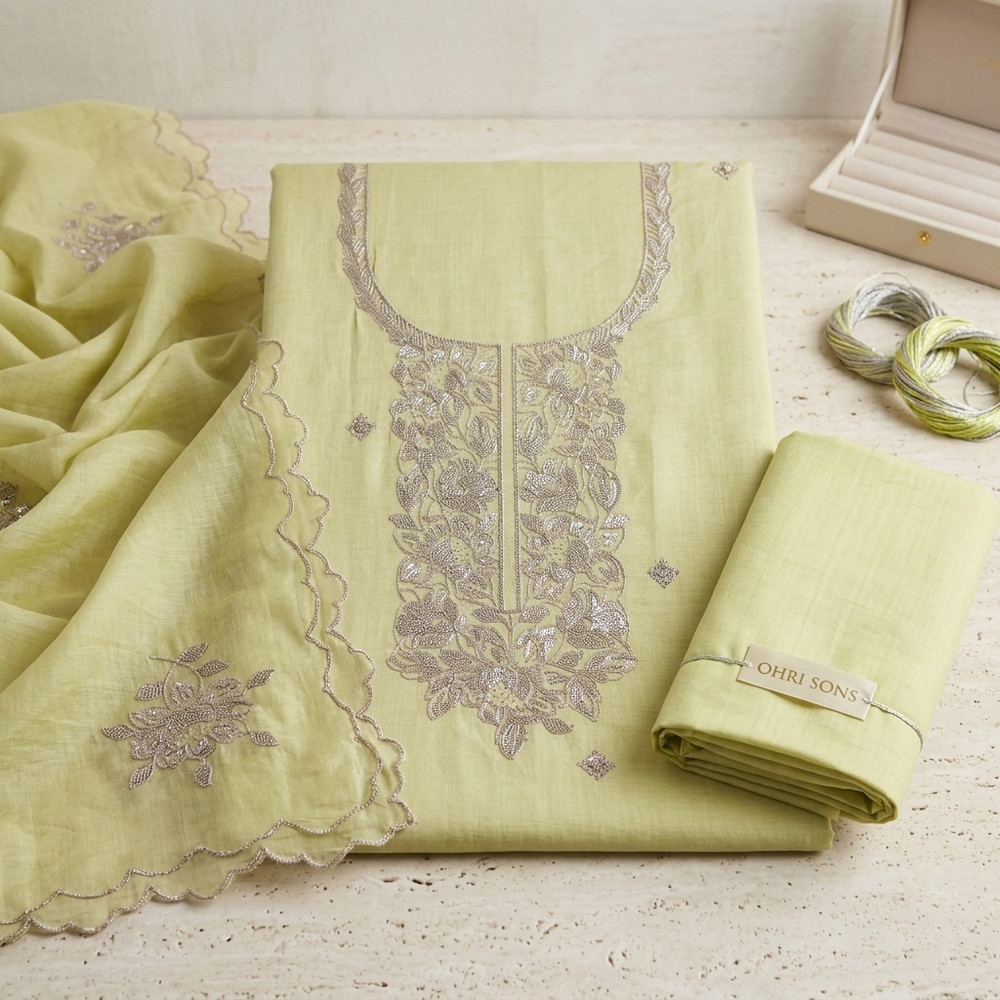
If the Anarkali is drama, the straight-cut suit is quiet elegance. These suits sit close to the body with minimal flare at the hem, which makes them ideal for daytime events, office parties, or smaller pujas at home where comfort matters more than volume.
A cotton or chanderi straight-cut suit with subtle block prints or light embroidery is:
- Comfortable enough to wear for six to eight hours without feeling restricted
- Easy to layer with a jacket or stole for cooler festive evenings
- Practical for travel, since it doesn’t crease as easily as heavier fabrics
This is the style you’ll reach for on the days you have back-to-back errands and a function in the evening.
-
Palazzo Suits
Palazzo suits have become a genuine festive season favourite over the last few years, and it’s easy to see why. The wide-legged, flowing pants are far more comfortable than fitted churidars, especially if your festive calendar involves a lot of standing, dancing, or moving between venues.
Pair a palazzo set with:
- A short or knee-length kurta for a relaxed, contemporary look
- Statement earrings, since the outfit itself is fairly minimal
- Flat sandals or juttis, since the flowing pants already add height and movement
They’re particularly popular for daytime Navratri events and mehendi functions where comfort is non-negotiable.
-
Sharara Suits
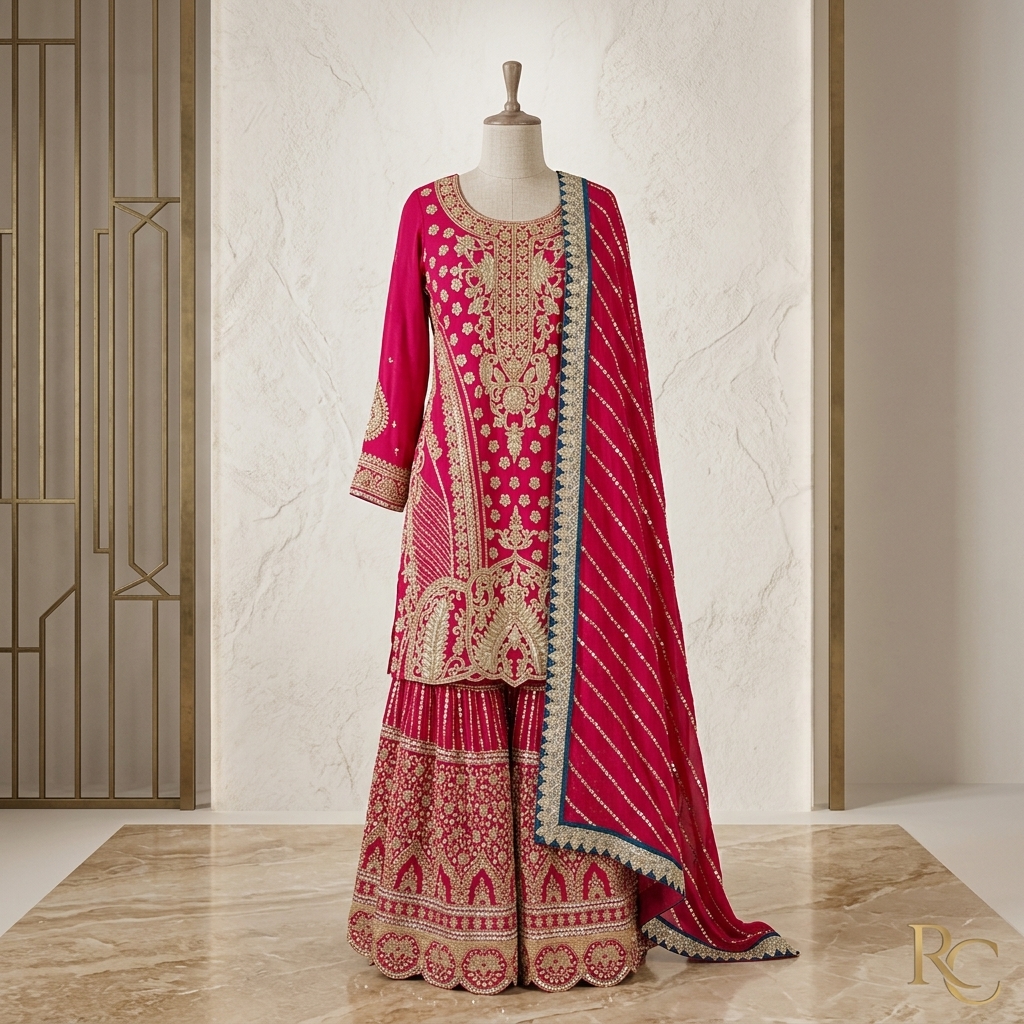
Nothing says “wedding season” quite like a sharara suit. The flared bottoms create a graceful movement that works perfectly for sangeet nights and mehendi functions, where you want your outfit to move with you on the dance floor.
Designer sharara suits in velvet or georgette, usually paired with a short kurti and a coordinating dupatta, have become one of the most searched styles for festive and wedding wear, and for good reason:
- They photograph beautifully in both daylight and indoor lighting
- They give you that celebratory feel without the weight of a full lehenga
- They come in a wide range of price points, from simple cotton shararas to heavily embellished velvet ones
If your festive calendar has more than one wedding function on it, a sharara suit is worth the investment.
- Patiala Suits
The Patiala suit brings a bit of Punjabi tradition into your festive wardrobe, and it remains one of the most practical options out there. The pleated, baggy salwar paired with a fitted kurta is comfortable, easy to move in, and works well for:
- Karwa Chauth mornings and evenings
- Family lunches on Bhai Dooj
- Casual Navratri get-togethers with relatives
It’s also one of the more budget-friendly options if you’re shopping across multiple functions and don’t want to spend heavily on every single outfit.
- Pakistani Suits
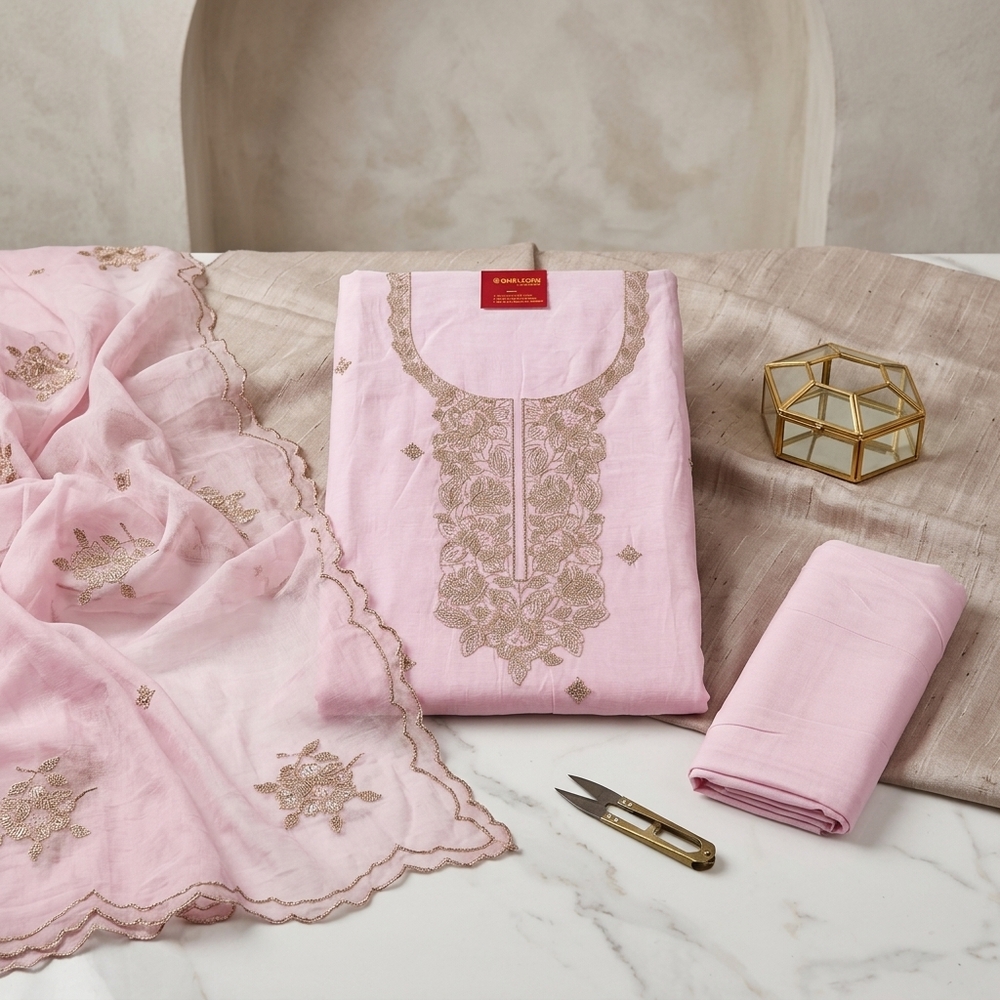
Pakistani suits online have seen a real surge in demand over the last couple of festive seasons, mostly because of their flowy, comfortable silhouette combined with rich embroidery work. Typically longer in length, with a straighter cut and wider sleeves than a standard Indian kurta, these suits work brilliantly for:
- Evening functions where you want an elegant, slightly understated look
- Guests attending weddings who prefer a fuller coverage style
- Anyone who finds heavily fitted Indian suits restrictive
The embroidery on Pakistani suits tends to be concentrated on the neckline and hem rather than spread across the entire garment, which gives them a more relaxed, breathable feel even when heavily worked.
- Angrakha Style Suits
The Angrakha, with its distinctive asymmetric overlapping front that ties at the side, has quietly become a favourite for festive dressing. It gives an ethnic yet contemporary silhouette that stands out without being over the top.
This style works especially well for:
- Smaller festive gatherings where you want to look put-together but not overdressed
- Navratri day functions, particularly in cotton or chanderi
- Women who prefer a bit of coverage and structure over flowy silhouettes
It’s a great option if you’ve worn Anarkalis and shararas for years and want something a little different this season.
- Cape and Jacket Style Suits
For something a little different this year, cape-style or jacket-style suits are worth considering. A fitted inner kurta layered with a flowing cape, or an embroidered jacket worn over a simple kurta, adds instant festive flair without needing heavy embellishment on the base garment itself.
These work particularly well for:
- Cocktail parties and evening wedding functions
- Reception-style events where a more contemporary look is welcome
- Women who want a fusion touch to their traditional festive wardrobe
The best part about this style is versatility, you can often remove the cape or jacket and wear the inner kurta separately for a completely different, more casual look.
Occasion-Wise Suit Guide
Not sure which style goes where? Here’s a quick occasion-wise breakdown to keep handy while you shop:
- Navratri and Garba nights — Palazzo or Sharara suits in bright colours for ease of movement while dancing
- Karwa Chauth — Patiala or straight-cut suits in red or maroon, comfortable enough for a long day of fasting and rituals
- Diwali get-togethers — Anarkali or Angrakha suits in festive prints or light embroidery for that celebratory feel
- Wedding functions (sangeet/mehendi) — Sharara or cape-style suits with statement embroidery that photograph well
- Bhai Dooj and family functions — Straight-cut cotton or chanderi suits, simple, elegant, and comfortable for a home-based celebration
- New Year’s Eve parties — Jacket-style or Pakistani suits for an elevated, slightly fusion evening look
If you’re shopping for the entire season in one go, try to pick at least one outfit from each of these categories rather than three variations of the same look. It stretches your wardrobe much further across the coming months.
Styling Tips for Your Festive Suits
Getting the right suit is only half the job, how you style it decides whether it looks put-together or just “fine.” A few things that make a real difference:
- Stick to breathable fabrics like cotton or chanderi for daytime functions, and save georgette or velvet for evenings when the weather cools down
- Statement jhumkas work with almost every suit style and instantly lift a simple outfit, they’re one of the highest-impact, lowest-effort accessories you can own
- Don’t skip the dupatta drape; how you style it, over one shoulder, draped Anarkali-style across the front, or worn as a loose shawl, genuinely changes the entire look of an outfit
- Footwear matters more than people think: juttis work beautifully with traditional suits like Patiala and Angrakha, while block heels suit Anarkali or cape-style outfits better
- Layer smartly for cooler evenings, a light jacket or shrug over a straight-cut suit can take it from daytime to evening without a full outfit change
- If you’re buying unstitched suits, get them tailored at least two weeks before your event to avoid last-minute stitching stress, especially during peak festive season when tailors are booked out
- Not sure which fabric to pick for which occasion? Our Fabric Guide breaks down what works best for humidity, comfort, and festive shine, so you’re not guessing between cotton, chanderi, georgette, and velvet